Extended Reality
Beyond the Screen
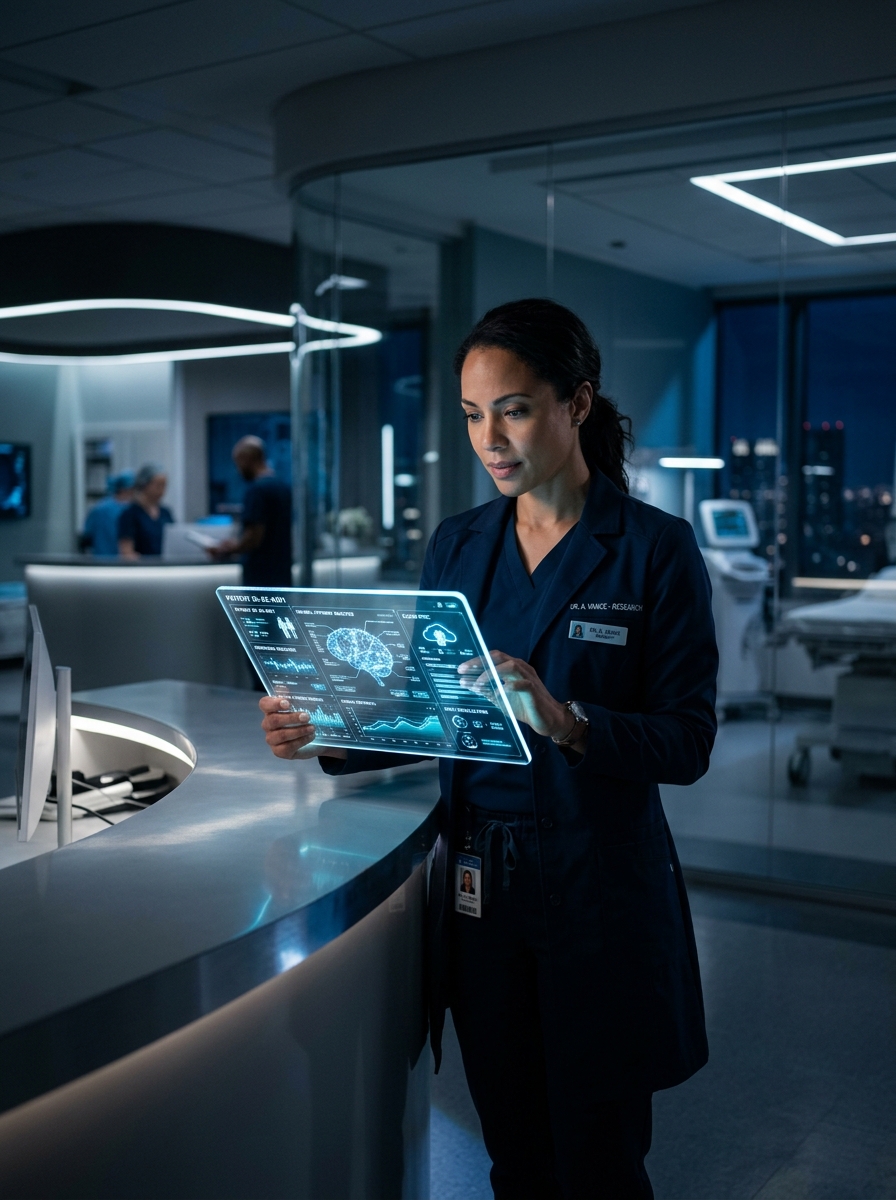
We build transformative Augmented Reality (AR) and Virtual Reality (VR) applications that fundamentally alter how humans interact with digital environments and physical spaces—from medical training simulators to enterprise metaverse platforms.
The Challenge
The 2D Interface Limitation Crisis
We are transitioning from an era of 2D screens to 3D spatial computing. Traditional software interfaces force users to interact with information through mouse clicks on flat screens—a cognitive mismatch for complex, spatial data like surgical anatomy, industrial machinery, or architectural models.
Organizations that invest in immersive training and visualization experiences see dramatic improvements in comprehension, retention, and safety outcomes versus conventional video-based training.
Complex industrial training with 2D manuals leading to costly human error
Long onboarding cycles because employees can't safely practice on real machinery
Customers unable to visualize unbuilt real estate or un-packaged products
Fragmented XR landscape with no single engine running on all devices

Immersive Business Impact
Better Retention
Employees trained in VR retain information significantly longer than classroom training.
Faster Onboarding
Safe, repeatable VR simulations drastically accelerate skill acquisition.
Training Accidents
Hazardous scenarios practiced in VR eliminate real-world injury risk.
Higher Engagement
Interactive 3D product visualizers convert browsers into buyers far more effectively.
Capabilities & Architecture
Spatial Computing Capabilities
Virtual Reality (VR) Training
Fully immersive, interactive 3D environments for hazardous compliance training, medical simulations, and complex assembly practice—without real-world risk.
Augmented Reality (AR) Apps
Overlaying digital information onto the physical world using ARKit/ARCore for retail, industrial maintenance overlays, and interactive marketing.
WebAR & WebXR
Delivering massive 3D experiences directly in the mobile browser with no app download required, using Three.js and 8th Wall.
Industrial Digital Twins
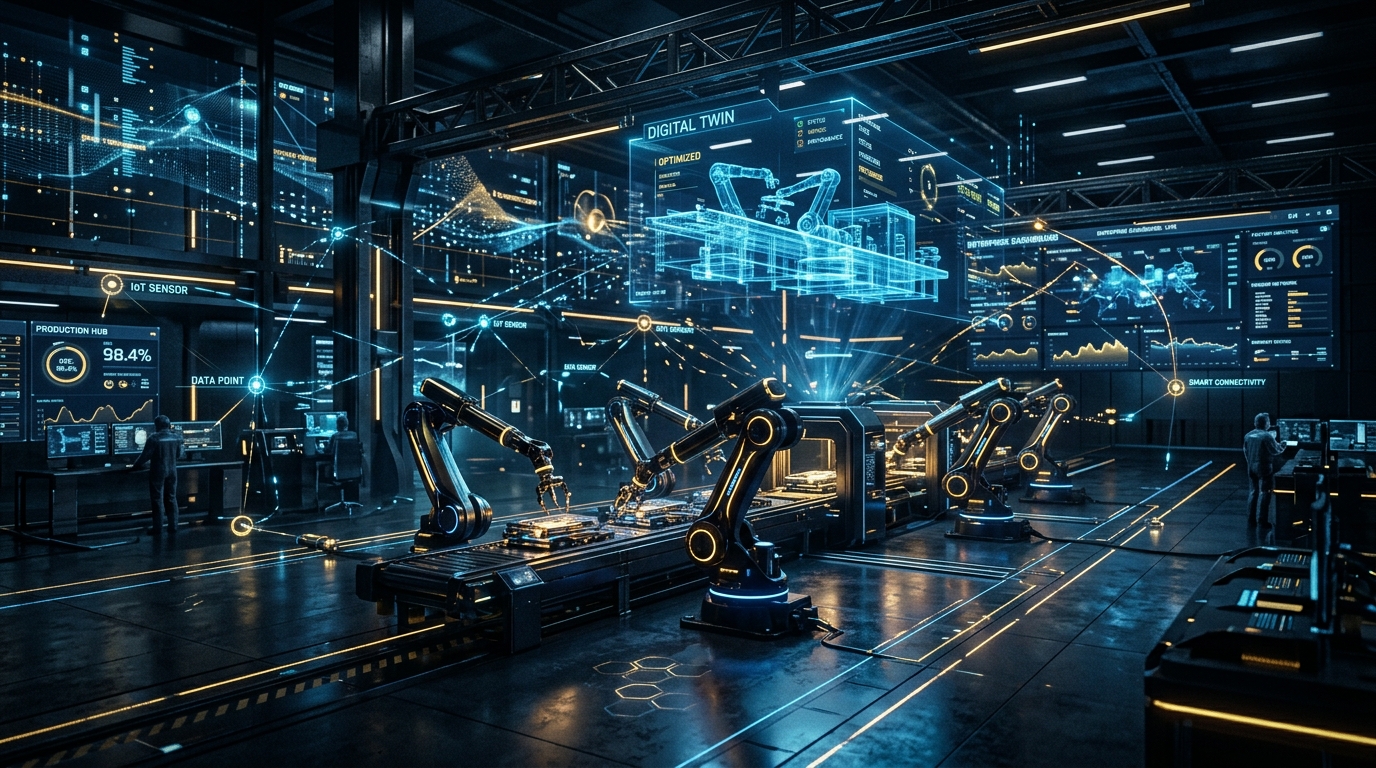
Replicating entire factories or oil rigs in 3D, mapped to live IoT sensor data so engineers can inspect remotely in VR.
Cross-Device Compatibility
OpenXR-standard development ensuring your application runs on Meta Quest, Apple Vision Pro, HTC Vive, and Pico headsets.
Asset Optimization
Advanced retopology, LODs, and texture baking to run massive 3D models fluidly on mobile chipsets and standalone headsets.
Success Stories
Transforming Industries with XR
Technical FAQ
Which 3D engine do you use—Unity or Unreal Engine?
It depends on the project. We use Unreal Engine 5 for photorealistic industrial digital twins and architectural visualizations where visual fidelity is paramount. We favor Unity for cross-platform mobile AR apps and standalone VR headset experiences where performance optimization on lower-end hardware is critical.
How do you prevent motion sickness in VR?
Motion sickness is caused by a disconnect between perceived and actual movement. We engineer all VR experiences to maintain a minimum locked 90fps frame rate, utilize teleportation locomotion where possible, and calibrate field-of-view and head-tracking latency to sub-20ms to keep the vestibular system comfortable.
Can we get a WebAR experience without users downloading an app?
Yes. We build WebAR experiences using 8th Wall and Three.js that run entirely in a mobile browser. Users simply tap a link or scan a QR code and the 3D experience launches instantly—no app store download required.
Enter the Spatial Era
Ready to build the impossible?
Partner with our spatial computing experts to create an AR/VR experience that transforms how your industry trains, sells, and operates.